
Why Dholera matters to travelers looking beyond the usual Gujarat circuit
Many travelers arrive in Gujarat with a familiar shortlist in mind. They may think of Ahmedabad for heritage and food, the Gir region for wildlife, the Rann of Kutch for spectacle, Somnath for faith and coastline, or Vadodara for culture and urban ease. Dholera, by contrast, tends to appear in search results for reasons that seem less obviously touristic at first glance. It is associated with future-facing plans, regional transformation, connectivity, and strategic location. Yet that is precisely why Dholera creates a special kind of travel interest. It offers the chance to understand a place while it is still being interpreted, discussed, and imagined in real time.
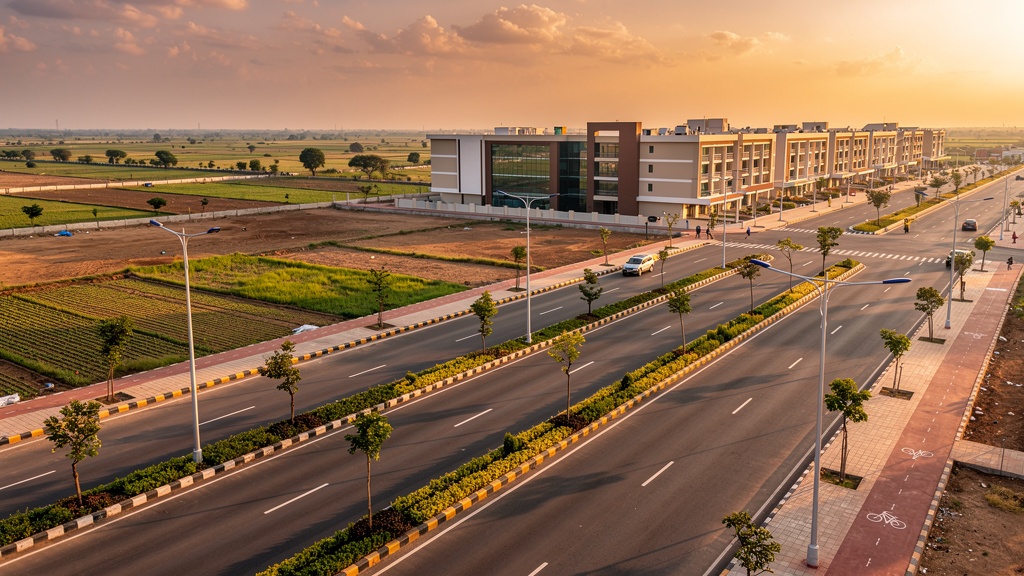
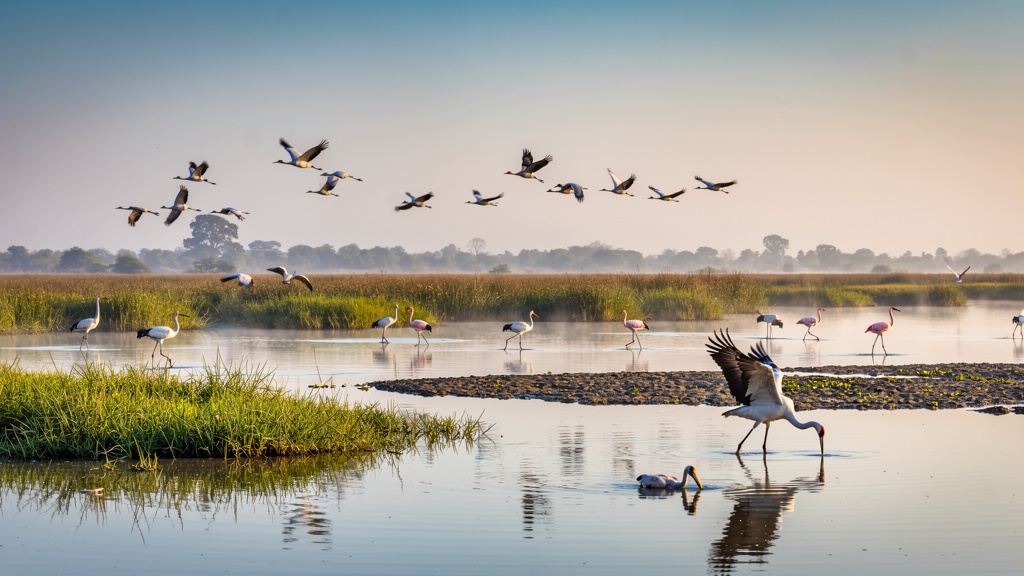
For some visitors, the attraction is intellectual. They want to see how a location acquires meaning as public conversation shifts around it. For others, the attraction is visual. The region's open horizons, wide roads, wetlands, changing light, and low-density spaces feel dramatically different from crowded urban destinations. Still others are drawn because Dholera can be paired with broader journeys across southern and central Gujarat, making it a compelling stop for photographers, road trippers, planners, architecture enthusiasts, and travelers who enjoy destinations that are not overexposed.
Dholera as a regional experience rather than a single-point attraction
One of the most important ways to understand Dholera is to think in regional terms. Travelers rarely experience a destination as a dot on a map. They experience it through approach roads, nearby settlements, changing scenery, local food stops, weather conditions, conversations, and the emotional rhythm of the journey. Dholera should be approached the same way. The drive toward the area matters. The open terrain matters. The shift from city density to a more spacious visual field matters.