Activities and Attractions

Things to do in Dholera, Gujarat: how to build a rewarding visit around landscape, motion, and observation

Travelers researching things to do in Dholera often discover that the destination doesn’t fit a standard tourist template. That is not a weakness. It is the reason a well-planned visit can feel unusually fresh. Dholera is best explored through a combination of scenic driving, regional observation, photography, nearby points of interest, nature-based appreciation, and slow travel thinking. This page translates that idea into practical experiences so that your visit feels intentional, memorable, and grounded in the real character of the region.

Visitors exploring the Dholera region in Gujarat in bright daylight
Dholera experiences are built around movement, observation, and understanding the region on its own terms.
Aerial-style regional overview of Dholera with roads, land, and open horizon
The scale of the region becomes more meaningful when travelers plan routes instead of looking for just one stop.
🚗

Scenic Drives

Wide roads and open horizon make every drive feel cinematic.

📷

Photography

Golden hour light, geometric roads, and minimalist landscapes.

🦅

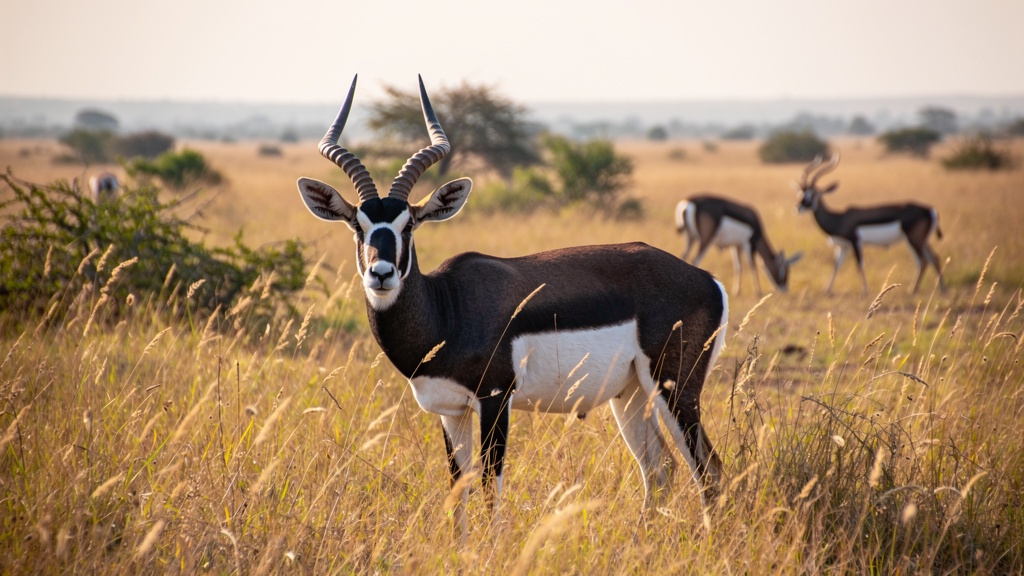
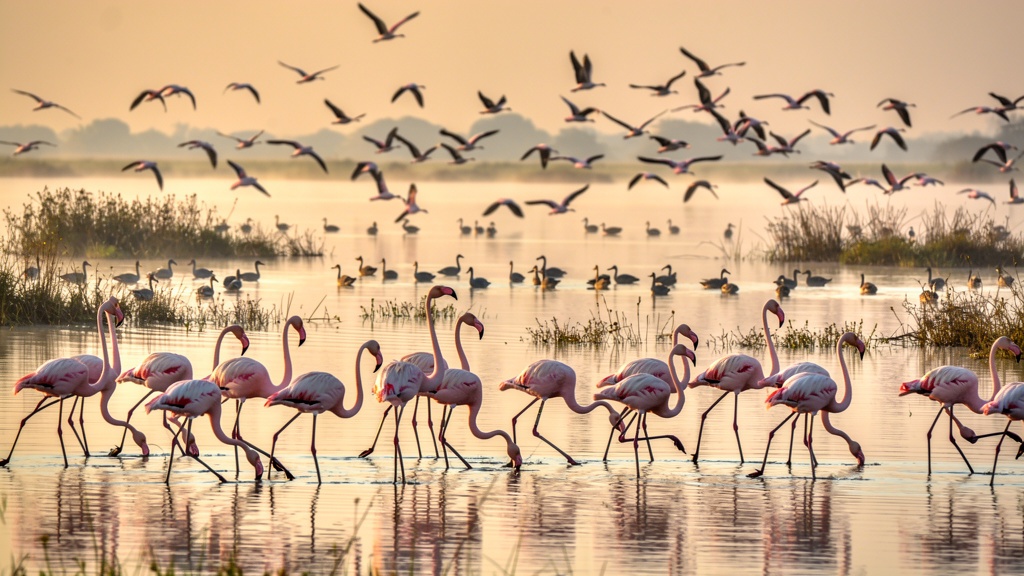
Wetlands & Birds

Seasonal birdlife and reflective wetland scenery nearby.

🏙️

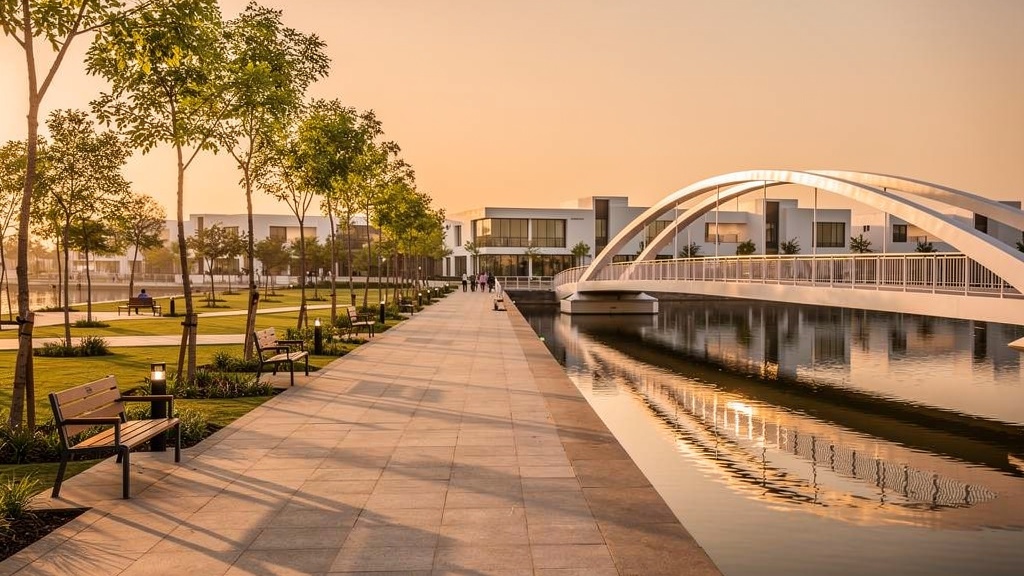
Smart City Tour

Watch India's most ambitious greenfield city taking shape.

🍛

Local Food

Gujarati roadside stops and regional flavours along the way.

🔬

Research

A living lab for planners, students, and destination researchers.

Reframing what “things to do” means in Dholera

When travelers type “things to do in Dholera” into a search engine, they often expect a familiar list: monuments, entry-ticket attractions, shopping districts, nightlife clusters, and well-defined entertainment zones. Dholera asks for a different style of travel thinking. Here, the best activities emerge when you understand the destination as a regional experience shaped by roads, landscape, changing weather, open space, and thoughtful pacing. In other words, “things to do” in Dholera are not just objects on a checklist; they are modes of engaging with the place.

This is actually good news for travelers who enjoy freedom, self-direction, and depth. Dholera can support exploratory driving, visual documentation, route-based sightseeing, local observation, planning-focused visits, nature detours, and reflective day trips. The destination works especially well for people who like to create their own meaning from a journey rather than consume a pre-packaged series of stops. If that sounds appealing, the experiences below will help you make the most of the area.

It is also helpful to remember that Dholera’s attraction lies partly in contrast. The region sits within Gujarat, a state full of well-established travel circuits. Against that backdrop, Dholera feels open, interpretive, and less overdefined. That makes it ideal for a slower pace. You can stop, observe, photograph, compare, and think. You can pair the destination with surrounding routes and transform it from a curiosity into a genuine travel experience.

The key is intention. Visitors who arrive without a plan may struggle to recognize what is special here. Visitors who arrive prepared to engage with geography, atmosphere, movement, and regional identity often come away pleasantly surprised. This page is written to support the second kind of traveler.

1. Take a scenic drive and let the route become part of the experience

One of the best things to do in Dholera is also one of the most underappreciated: drive through the wider region with a traveler’s eye rather than a commuter’s mindset. This area rewards movement. The approach roads, changing terrain, broad skies, and long visual lines create a sense of progression that many traditional destinations cannot offer. Instead of racing to a single focal point, you can treat the route itself as the attraction.

A scenic drive works particularly well in the morning or late afternoon when the light is softer and the air often feels more comfortable. Keep time for unhurried stops where safe and practical. Notice how the landscape shifts. Pay attention to the spacing between settlements, the scale of the horizon, and the way built elements appear against open land. These are not minor details; they are central to the Dholera experience. They create the visual language of the journey.

This activity is ideal for couples, solo travelers, families with older children, photographers, content creators, and anyone who enjoys destinations that reveal themselves gradually. It also works well for business travelers or regional researchers who want to move beyond meetings and understand the actual environmental setting of the place they are studying. By taking a scenic drive, you begin to understand why Dholera is discussed so frequently in terms of scale and potential. The landscape makes those conversations visible.

How to get more out of a Dholera drive

To turn a simple drive into a memorable outing, prepare with intention. Carry water, keep your phone charged, and consider downloading offline maps if network reliability matters to you. Start earlier than you think you need to, because the quality of the light and the lower traffic stress can improve the mood of the trip significantly. If you enjoy documenting your journeys, keep a notebook or voice memo app handy. Dholera is the kind of destination where impressions can be subtle but meaningful, and recording them helps sharpen the experience.

You can also combine the drive with food stops in nearby towns, short photography sessions, or a detour toward nature-oriented viewing areas depending on current conditions and local feasibility. The point is not speed. The point is to let the road and the region tell the story.

2. Use Dholera as a photography destination for landscape, scale, and transition

Dholera is unusually photogenic for a place that is not marketed primarily through conventional sightseeing imagery. The visual strengths of the region are subtle but powerful: open foregrounds, geometric roads, low horizon lines, atmospheric skies, changing natural light, and a sense of transition between land, infrastructure, and environment. For photographers, these qualities create freedom. You are not forced into the same postcard composition as everyone else. Instead, you can interpret the destination in your own way.

Wide-angle landscape work often performs well here because the setting is spacious. Documentary photography also suits the area, especially if you are interested in how people, roads, environmental conditions, and regional identity intersect. Even minimalist photography can thrive in Dholera because the relative visual simplicity of the space allows lines, textures, and contrast to stand out. If you are a drone photographer, always respect local regulations and permissions, but the broader aesthetic appeal of elevated perspective is easy to understand in this region.

Different times of day create entirely different moods. Early morning may support cooler tones, stillness, and a gentler documentary feel. Late afternoon and golden hour often create richer warmth and more dramatic shadow. Overcast conditions can work beautifully too, especially if you want a restrained, atmospheric palette. Monsoon periods may add texture and mood to the land, though practical conditions should always be assessed carefully.

For travel bloggers, real-estate researchers, infrastructure commentators, tourism writers, and social content creators, Dholera offers imagery that feels distinct from crowded urban or heritage-heavy destinations. The place communicates space and possibility. When photographed thoughtfully, it can look modern, contemplative, and unmistakably regional all at once.

Photography tip: Include a human figure, a vehicle, or a roadside marker in at least a few compositions to communicate the scale of the landscape more clearly.

Suggested photo themes for Dholera

If you want structure, try organizing your shooting list around themes. Theme one: horizon and openness. Theme two: movement along roads. Theme three: wetland or ecological atmosphere in the wider area. Theme four: visual contrast between quiet land and developmental cues. Theme five: travel portraiture or road-trip storytelling. This kind of approach helps you leave with a stronger and more varied set of images than random shooting alone.

3. Look for wetland, bird, and nature-oriented experiences in the surrounding region

Although many people associate Dholera primarily with development-related interest, the wider region also invites nature-centered travel. Wetlands and open ecological spaces can add a different dimension to the itinerary, particularly for travelers who enjoy birdwatching, landscape observation, seasonal environmental changes, and calmer outdoor experiences. This is one of the most valuable ways to balance a Dholera trip. It reminds visitors that the destination is not only about roads and strategic relevance; it is also about land, water, and habitat.

Bird-focused travel requires patience and season awareness. If you are especially interested in migratory activity or wetland life, research recent local conditions before the trip and keep your expectations flexible. Bring binoculars if nature observation is a major priority. Even when wildlife sightings are modest, the broader atmosphere of these spaces can still be rewarding. Reflective water, open skies, gentle movement, and relative quiet create a very different mood from high-energy tourist centers.

Nature-oriented detours are ideal for travelers who want a fuller emotional range within the same day. You might begin with route-based exploration, spend part of the day in a quieter ecological setting, and then return in time for evening light over the roads and regional landscape. This creates a trip with texture rather than repetition. It is also excellent for mixed-interest groups where one traveler enjoys infrastructure, another likes photography, and another prefers natural scenery.

Because ecological spaces can be sensitive, visitors should travel responsibly. Avoid littering, keep noise low, respect local access norms, and prioritize observation over intrusion. Sustainable travel practices matter everywhere, but they are especially important in environments where the quality of the experience depends on calm and ecological continuity.

4. Explore nearby local context, food stops, and the human geography of the area

No destination exists in isolation. Even when travelers focus on Dholera itself, the surrounding settlements, food options, roadside encounters, and local rhythms are part of the journey. This makes local exploration one of the most meaningful things to do in Dholera. The goal is not to chase a single famous market or a heavily promoted attraction. The goal is to observe how the region actually lives. Where do people stop? What does the roadside economy feel like? How do local food choices reflect Gujarat’s wider culinary personality while still belonging to this part of the map?

A thoughtful food break can become a memorable anchor in a Dholera day trip. Gujarati travel is often enriched by snacks, tea, and regional meal stops, and that spirit should not disappear simply because the destination is less conventional. Planning a stop in a practical nearby town or along your return route helps pace the trip, adds comfort, and gives the day a more complete narrative arc. For many travelers, these pauses become the moments where the destination feels most human.

Local context also includes the visual and social geography of the area. Observe how people move through the region. Notice what kinds of transport dominate. Pay attention to agricultural traces, commercial points, public spaces, and the relationship between older local realities and newer destination narratives. Travelers who enjoy writing, research, or simply deeper understanding often find this as compelling as any landmark.

This approach is also useful because it prevents the trip from becoming too abstract. Dholera is often discussed in broad strategic terms. Local exploration reminds visitors that every region is lived, worked, remembered, and interpreted by real communities. Respectful travel means recognizing that human layer rather than treating the place as an empty concept.

How to do local exploration respectfully

Respect begins with modesty. Ask before photographing people or private property. Avoid blocking roads or entrances for photos. Support local businesses where practical. Dress appropriately for the context. Keep conversations polite and curious. Small choices shape how welcome travelers feel and how responsibly tourism develops in emerging destinations.

5. Treat Dholera as a learning destination if you enjoy planning, architecture, or regional development

Some of the most engaged visitors to Dholera are people who travel because they want to learn. They may be interested in urban planning, land-use strategy, infrastructure, regional economics, logistics, environmental adaptation, or the idea of future-oriented city making. For these travelers, one of the most interesting things to do is simply to observe carefully and ask informed questions. How does geography influence possibility? What role do roads play in shaping first impressions? How do environmental realities coexist with strategic narratives? What does scale feel like on the ground rather than on paper?

This kind of travel is deeply rewarding because it combines movement with thought. Instead of consuming a destination passively, you engage with it actively. Dholera supports this mode particularly well. Even a short visit can generate insights if you pay attention to setting, access, spacing, local context, and the relationship between landscape and aspiration.

Students, researchers, investors, journalists, and design-minded travelers often find that Dholera stays in their minds long after the trip ends because it invites interpretation. It gives them material to compare with other destinations. It also makes for strong writing, strong presentations, and strong visual storytelling precisely because it resists cliché.

Suggested half-day and full-day itineraries for Dholera visitors

If you want to turn ideas into a practical plan, use one of these itinerary frameworks and adapt it to your timing, transport, and weather. The goal is not rigid scheduling. The goal is to create a rhythm that suits Dholera’s strengths.

Half-day exploratory itinerary

Start early and travel toward Dholera while the roads feel calm and the light is still pleasant. Spend the first stretch of the visit taking in the wider landscape and noting the change in regional atmosphere. Pause for photography where safe. Continue with a short route-based exploration focused on observation rather than rushing between points. If local conditions and timing support it, include a brief stop oriented toward nature or broader environmental scenery. Close the trip with a meal or tea break on the way back. This itinerary works best for travelers based elsewhere in Gujarat who want a compact but meaningful introduction.

Full-day immersive itinerary

Leave early enough to enjoy morning visibility and lower travel fatigue. Spend the first part of the day on a scenic approach and documentation of the route. Late morning can be used for a more focused exploration of Dholera’s setting, road structure, and local context. Build in a relaxed lunch stop rather than treating food as an afterthought. In the afternoon, seek out nearby ecological or open-land experiences depending on season and feasibility. Reserve golden hour for your final photography session or contemplative drive before returning. This itinerary allows Dholera to feel like a layered destination rather than a short detour.

Content-creator itinerary

If your goal is photo or video production, divide the day by shot type. Use morning for drone-friendly broad establishing visuals if regulations and permissions allow, along with quiet road footage and wide landscape compositions. Use midday for interview-style content, spoken reflections, or logistics-heavy documentation when light is less ideal for beauty shots. Use evening for hero imagery, road sequences, silhouettes, and closing narrative content. This plan helps you gather a more complete storytelling package.

Whichever version you choose, leave space for the unexpected. Dholera is strongest when travelers allow room for observation. The destination does not need to be rushed to be rewarding.

Next step: After deciding what kind of experience you want, use the Travel Guide to choose the best season, route strategy, and trip duration. Also explore the Dholera Economy page to understand the region's strategic context.

Final thoughts on attractions and experiences in Dholera

The best things to do in Dholera are meaningful precisely because they are not generic. You come here to understand a region, enjoy movement through open space, photograph a distinctive landscape, explore nearby ecological settings, and connect the destination to the larger story of Gujarat travel. You come here to see how road trips, local observation, and environmental context can form a destination experience without depending on overbuilt tourism infrastructure. That makes Dholera more nuanced than many search results suggest.

If you are the kind of traveler who appreciates destinations with room to breathe, Dholera can be deeply satisfying. It rewards a good eye, a patient itinerary, and the willingness to look beyond conventional attraction lists. Used well, this page should help you shape that experience. The next step is to plan the practical side carefully so the trip feels smooth, comfortable, and well-paced from start to finish.